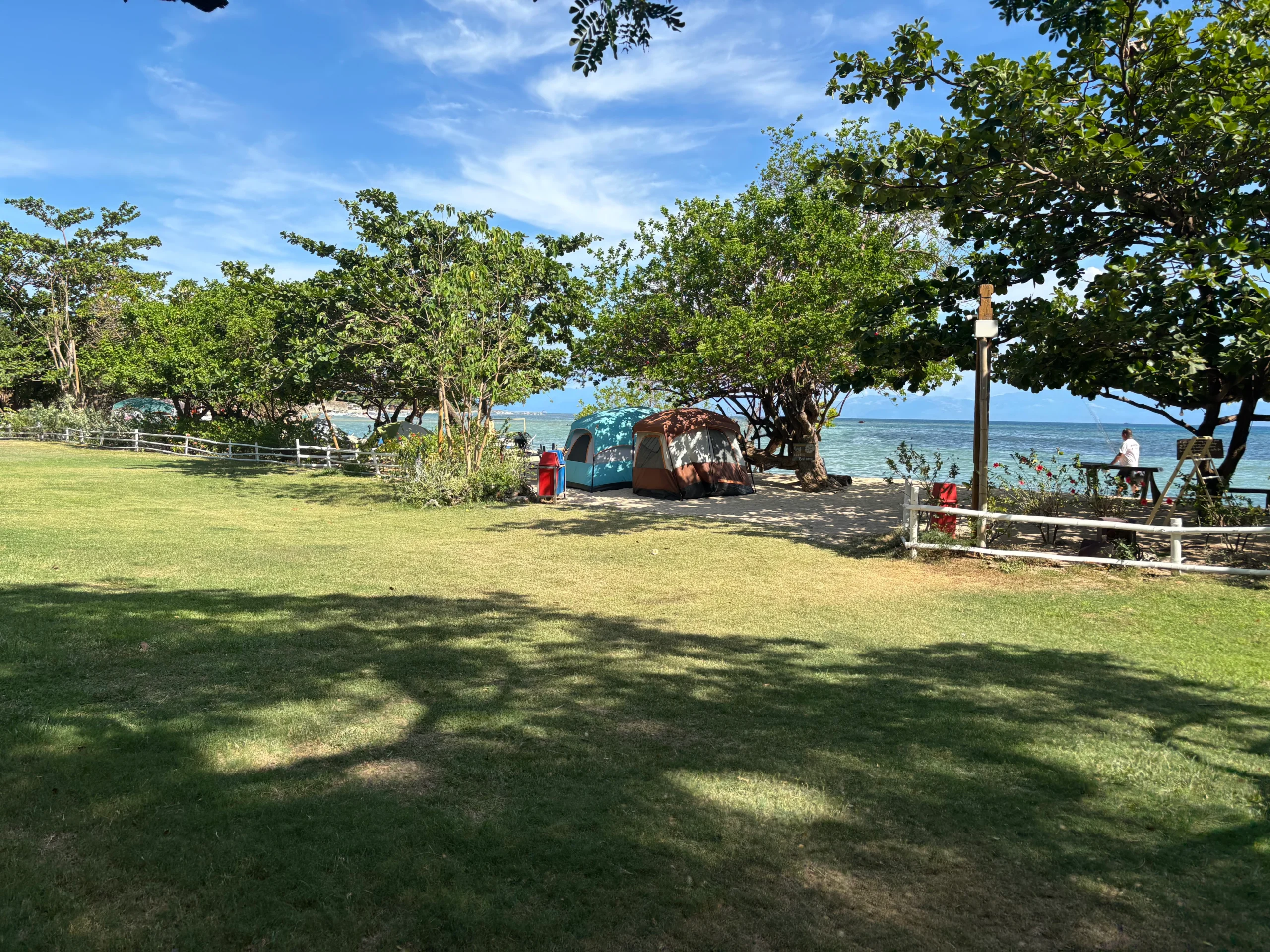
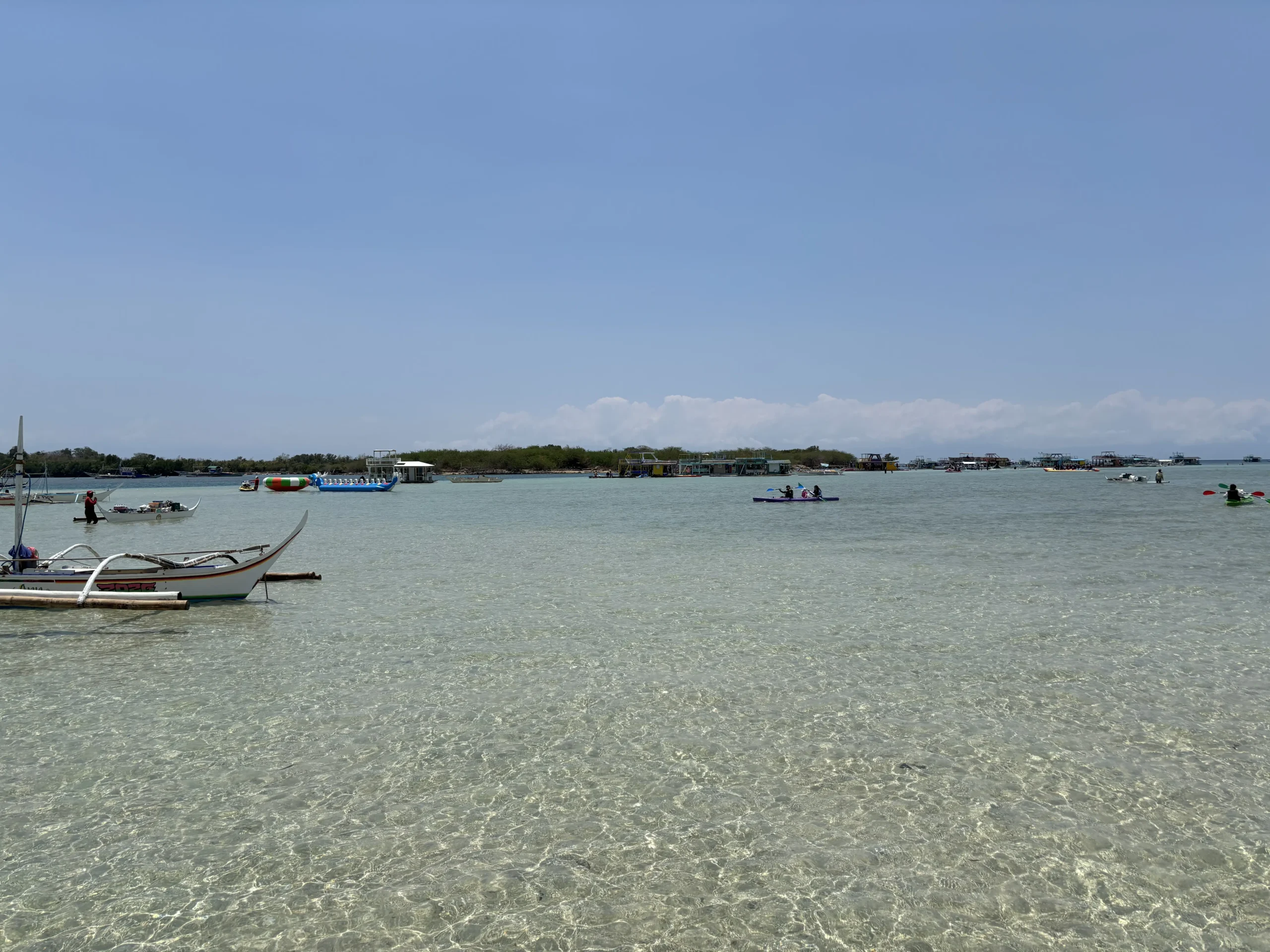
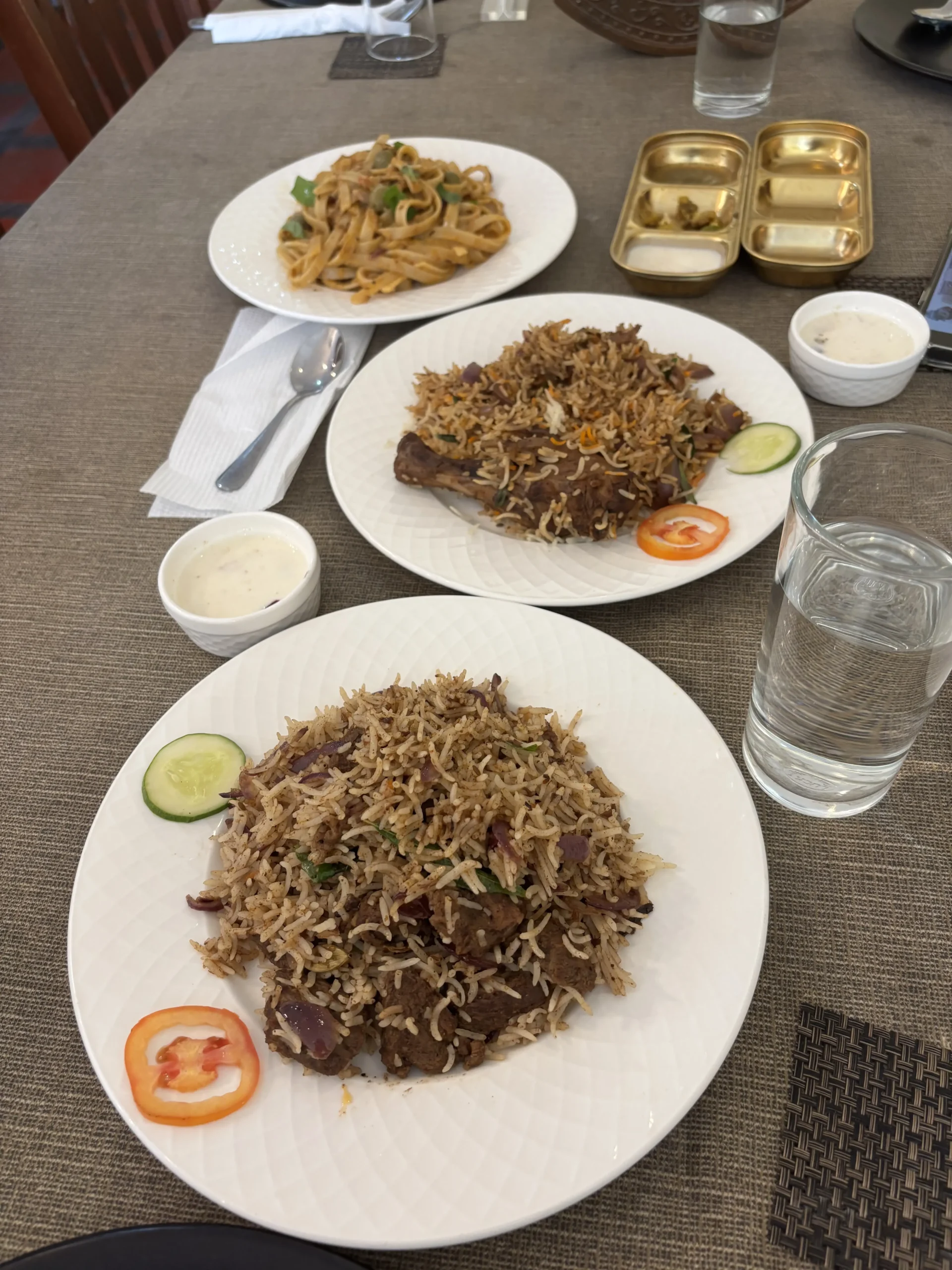
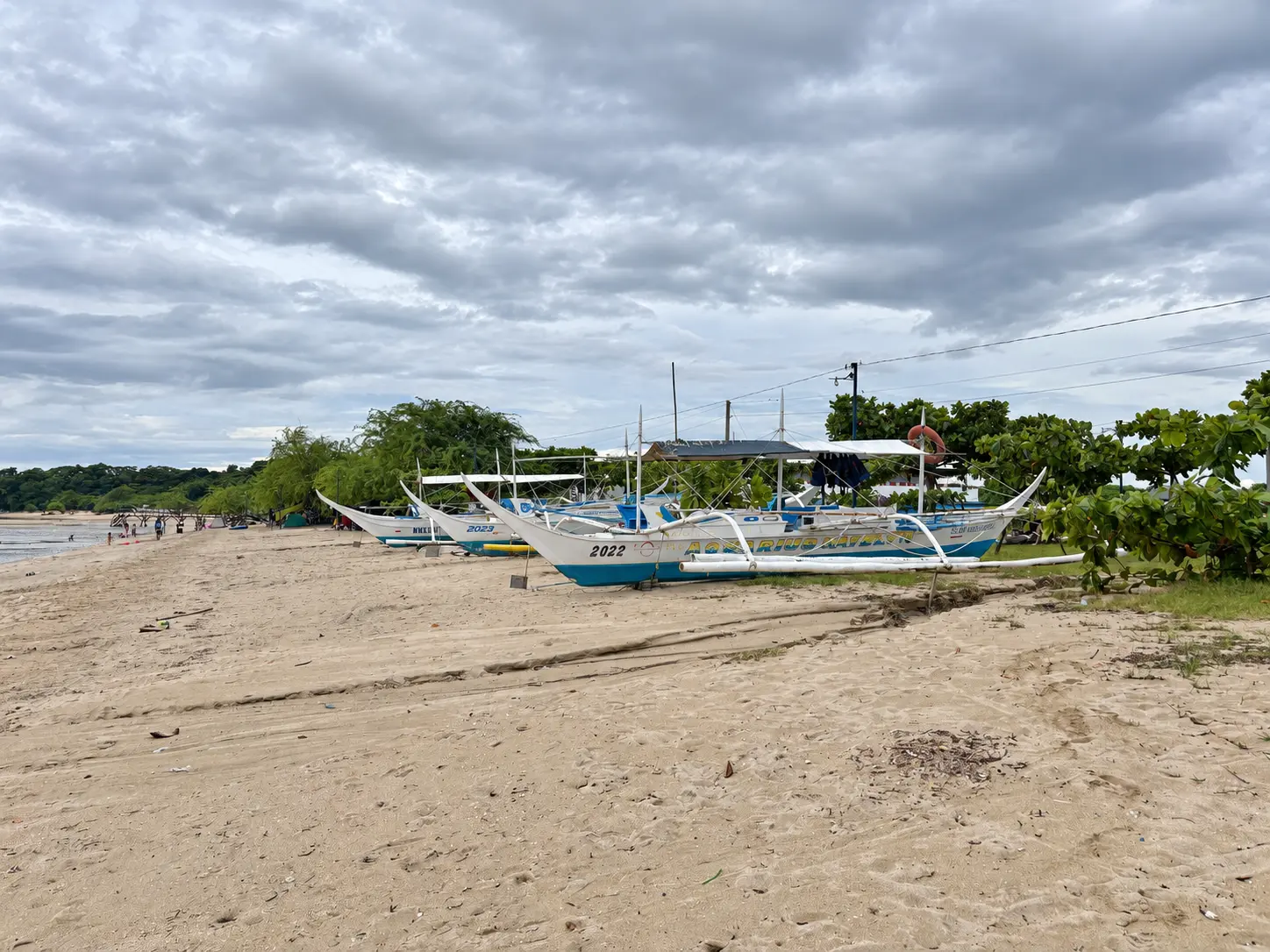
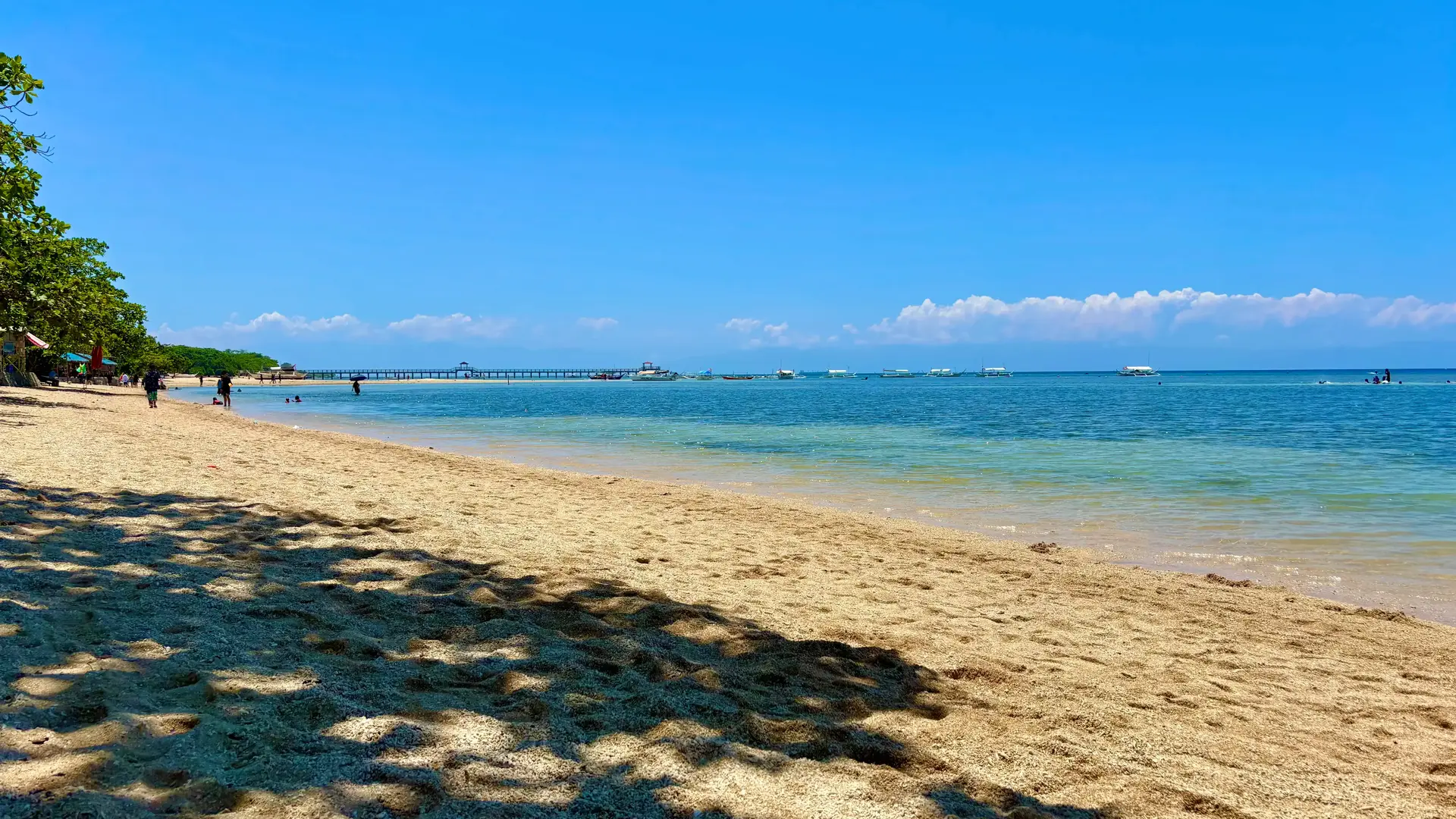
A Calatagan 2D1N itinerary works best when you choose one overnight base and one main activity. A beach afternoon, an unhurried dinner and a relaxed second morning make a useful starting plan. Add a boat trip only when its actual departure, return and weather conditions fit your accommodation and journey home.
This guide gives you three ways to arrange the weekend: a room-based beach break, an overnight camping trip, or a stay built around island hopping. The suggested time blocks are planning allowances, not an operator timetable. Property schedules and published price examples below were checked on 27 November 2026.
Choose your weekend before choosing your stops
| Weekend style | Day 1 priority | Day 2 priority | Main constraint |
|---|---|---|---|
| Beach and room stay | Arrive, eat and settle into one property | Breakfast, a short activity and checkout | Your booked room’s check-in and checkout |
| Overnight camping | Arrive with daylight for setting up | Pack the campsite before the exit deadline | Camping checkout can differ from room checkout |
| Boat-focused weekend | Keep the confirmed boat window clear | Use the remaining time for the overnight base | Weather, local tide conditions and a workable return |
Choose the room-based version if your group wants fewer transfers and more time together. Choose camping because your group wants the camping experience, rather than assuming a tent automatically makes the entire weekend cheaper. Choose the boat version when that experience is the reason for traveling and you can keep the surrounding schedule flexible.
Avoid combining several distant properties just to fill the itinerary. Every transfer adds time for loading bags, parking, admission and finding the correct entrance. A destination list is useful for choosing a base; it does not need to become a checklist for one weekend.
Before the weekend: settle these five arrangements
- Accommodation: keep the reservation, exact room or camping category, guest count, arrival instructions and checkout deadline together. A property’s room schedule may not apply to its open cottages or tents.
- Transport: save the correct property pin and plan both journeys. For public transport, establish your last reliable connection home before committing to a late activity. Use our Calatagan transport guide as background; this itinerary does not promise a particular bus departure, gate, fare or journey time.
- Meals: decide which meals belong at the property and which involve leaving it. Keep arrival-day lunch simple so a delayed journey does not turn into a missed restaurant booking.
- Main activity: place its duration and meeting point beside your accommodation schedule. Include time to return, wash, collect bags and reach onward transport.
- Group requirements: agree on sleeping arrangements, mobility needs, children’s supervision and any pet arrangements before allocating money. Do not infer that every accommodation category has the same access or facilities.
Give everyone one shared version of the plan. It should contain the booking name, map pin, payment record, meeting point and return arrangement. Someone joining the trip late should be able to find the base without relying on an old screenshot of an approximate location.
Day 1: arrive, settle in and enjoy the beach
Morning: travel with room for delays
Choose a departure that leaves a buffer before your first fixed booking. Do not build the morning around the shortest driving estimate on a map: your group still needs time for pickups, stops and lunch. If members are traveling separately, make the overnight property the main meeting point rather than adding a second rendezvous across town.
Keep water, sun protection, necessary personal items and the arrival documents accessible. Separate these from the bag containing overnight clothes. If the room is not ready, you should not need to unpack everything at the reception area.
Late morning to early afternoon: lunch and arrival
Plan lunch around your route and your accommodation’s entry rules. Early arrival does not automatically mean early room access or free use of facilities. Likewise, paying for a day visit somewhere else is an additional stop and expense, even if it happens before your overnight booking.
For a town stop, our Calatagan public market and town guide helps organize supplies and meals. Buy only what your group can store and prepare properly. A camping booking, an open cottage and a furnished room can have very different cooking and storage arrangements.
Afternoon: check in, then choose one easy activity
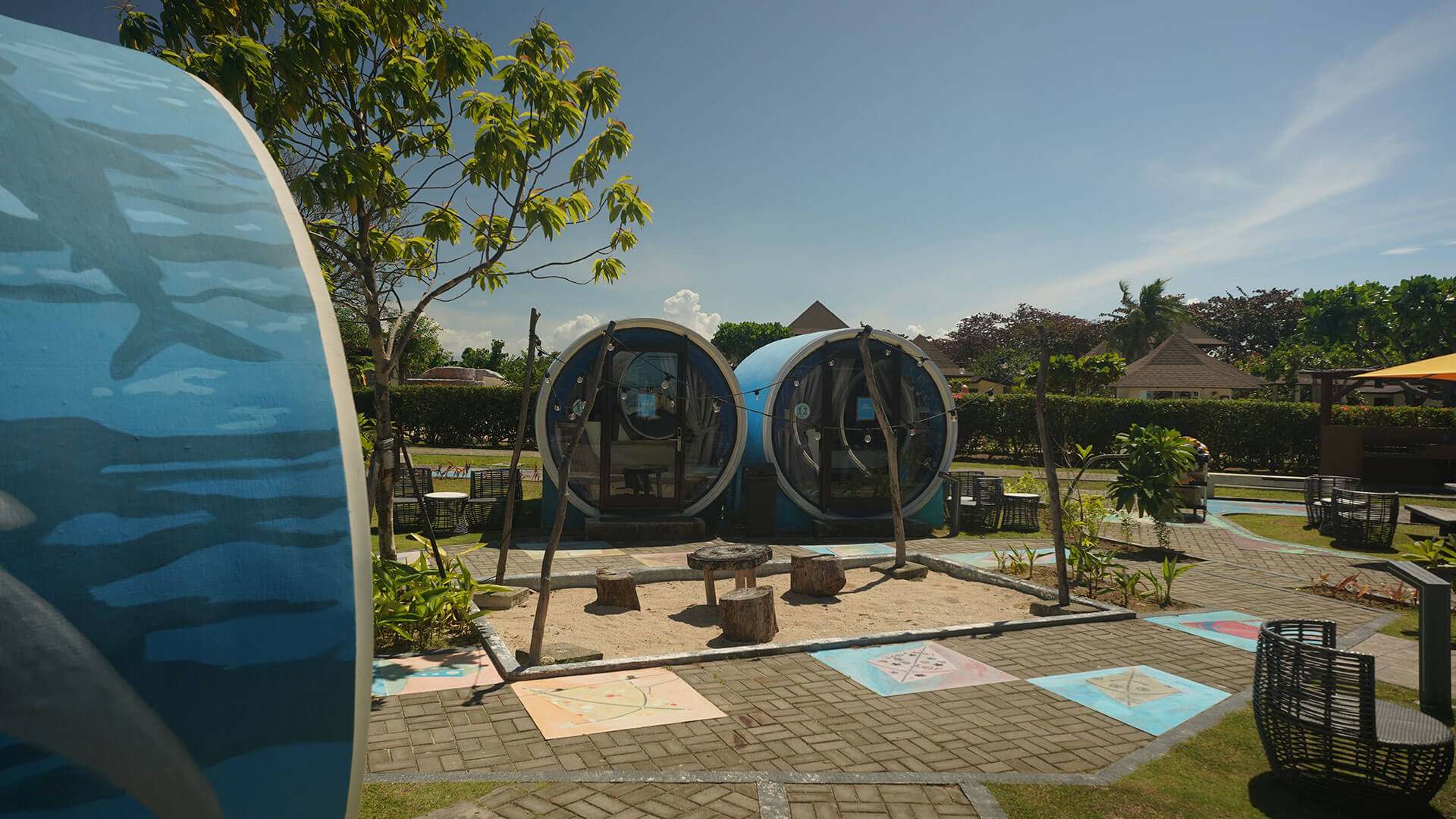
Use your booked arrival time as the anchor. At Calumbuyan Point, the published overnight schedule for Casita, Ohana, Teepee and Dome accommodation is 2:00 PM check-in and noon checkout. Its open-cottage and camping schedule is different: 9:00 AM check-in and 8:00 AM checkout. These are property-specific examples, not Calatagan-wide rules.
After settling in, choose a beach walk, permitted swimming or time at your accommodation. Leave space for people to rest after the journey. A suggested mid-afternoon beach block is more forgiving than stacking a second resort visit and a boat departure on the same arrival day.
Before entering the water, use the conditions and instructions at the actual site. A clear photograph, a low tide prediction or a sunny drive does not establish that swimming or boating is suitable when you arrive.
Evening: dinner without another long transfer
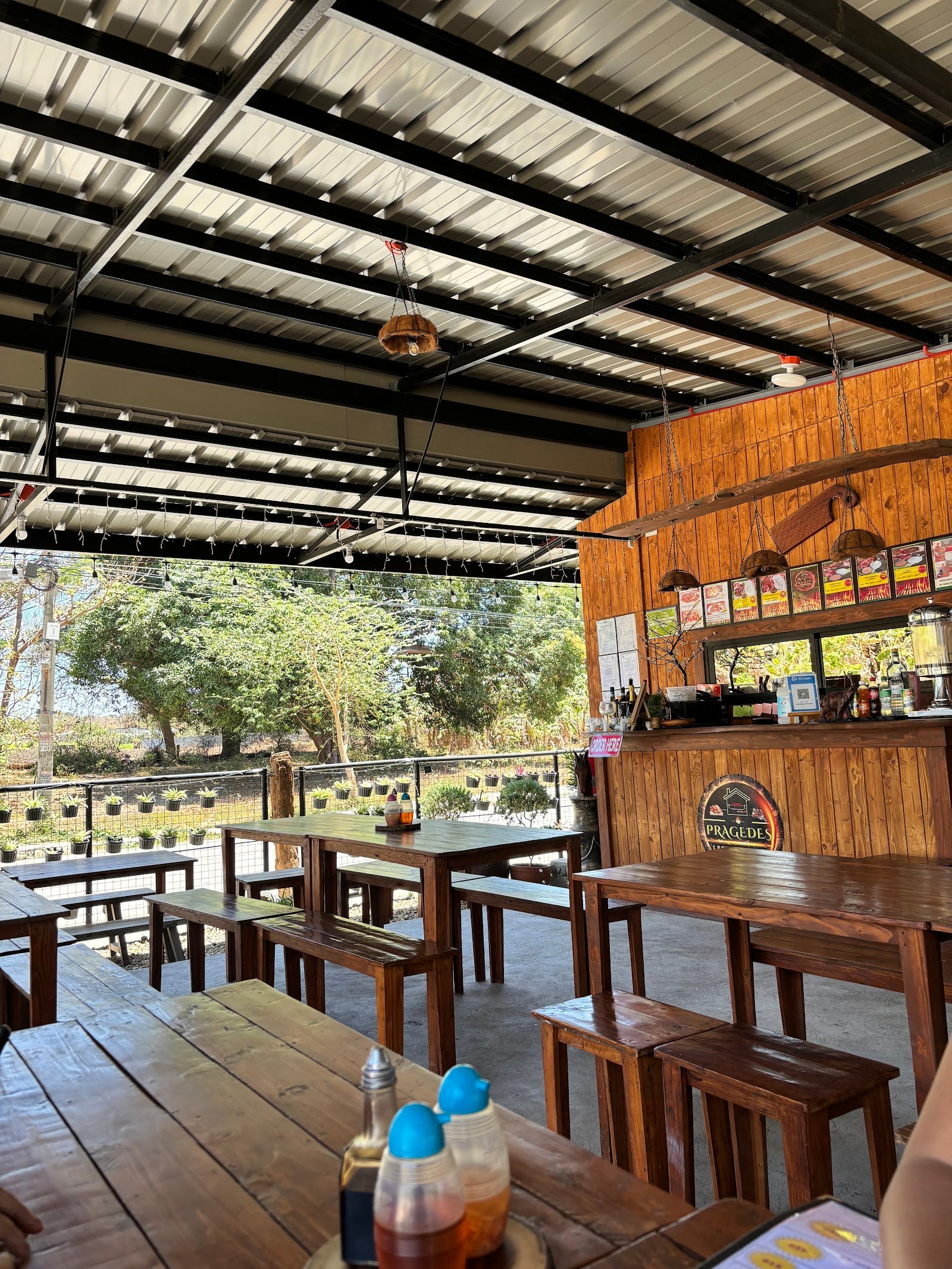
Decide whether dinner means staying at the property, cooking where allowed, or making one planned dining trip. Browse the Where to Eat directory before arrival and save the selected business’s own page and map pin. A restaurant inside a resort may have separate access arrangements; being nearby does not guarantee walk-in entry.
Keep the rest of the evening open. Check the next morning’s weather, settle shared expenses while receipts are available, and agree on a packing time. For groups, this small conversation is often more useful than adding another activity after dinner.
Day 2: protect checkout and the journey home
Room-based version: breakfast, a short activity, then packing
Start with breakfast and one activity that can finish comfortably before packing. Keep your shower, changing and bag collection time inside the schedule. With a noon checkout, a morning that looks free on paper can become crowded once several people share a bathroom.
Do not assume your booking includes breakfast, access after checkout or luggage storage. Use only the inclusions attached to your actual accommodation category. If you want lunch before leaving Calatagan, place it after checkout and before your return connection, rather than extending the room stay by assumption.
Camping version: pack earlier than the room guests
An early camping exit changes the whole morning. Using Calumbuyan Point’s published 8:00 AM camping checkout as an example, tents, loose gear and personal belongings need attention before a leisurely breakfast elsewhere. Do not copy a room itinerary with a noon departure onto that booking.
Keep a separate bag for damp equipment and a clean change of clothes for the trip home. Collect small items while there is daylight and check the ground around the tent. If your group has rented equipment, allow time for the property’s return process rather than treating the exit deadline as the moment to begin packing.
Before leaving: make the return practical
Confirm that everyone has their belongings and that the driver or onward transport is ready. Put a fuel, food or town stop into the plan only if it leaves a reasonable buffer. If a proposed boat trip returns too close to checkout or your final transport connection, choose a shorter land activity instead.
If island hopping is the main reason for your trip
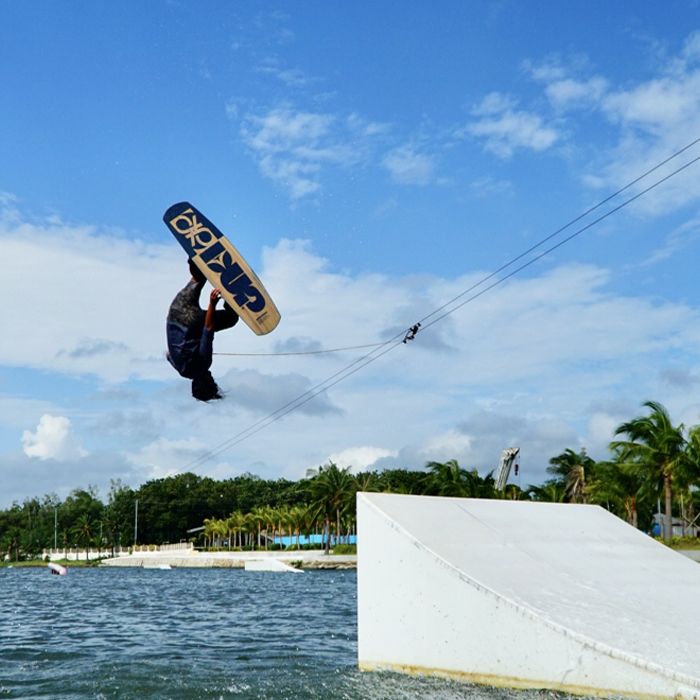
Arrange the weekend around the confirmed boating window, not around a generic “early morning island hopping” line in an itinerary. Our Calatagan island-hopping guide and Little Boracay guide provide background for deciding whether this is the experience your group wants.
Before assigning the trip to either day, establish the actual boarding point, expected duration, return point and what the booking includes. Then add the transfer between the boat and your overnight base. A boat returning before checkout still needs to leave enough time for changing and collecting luggage.
Check PAGASA weather information and its marine gale warnings, including the issuance time and affected area. NAMRIA’s tide predictions depend on the selected station and date; do not substitute a default station for local conditions. Tide information is not a safety clearance.
MARINA’s passenger reminders include the passenger manifest, capacity limits and suitable lifejackets for children. Include everyone in the declared group and listen to the safety briefing. Keep the itinerary flexible enough to follow a cancellation or restriction without rushing an alternative departure.
Camping costs: compare the complete booking
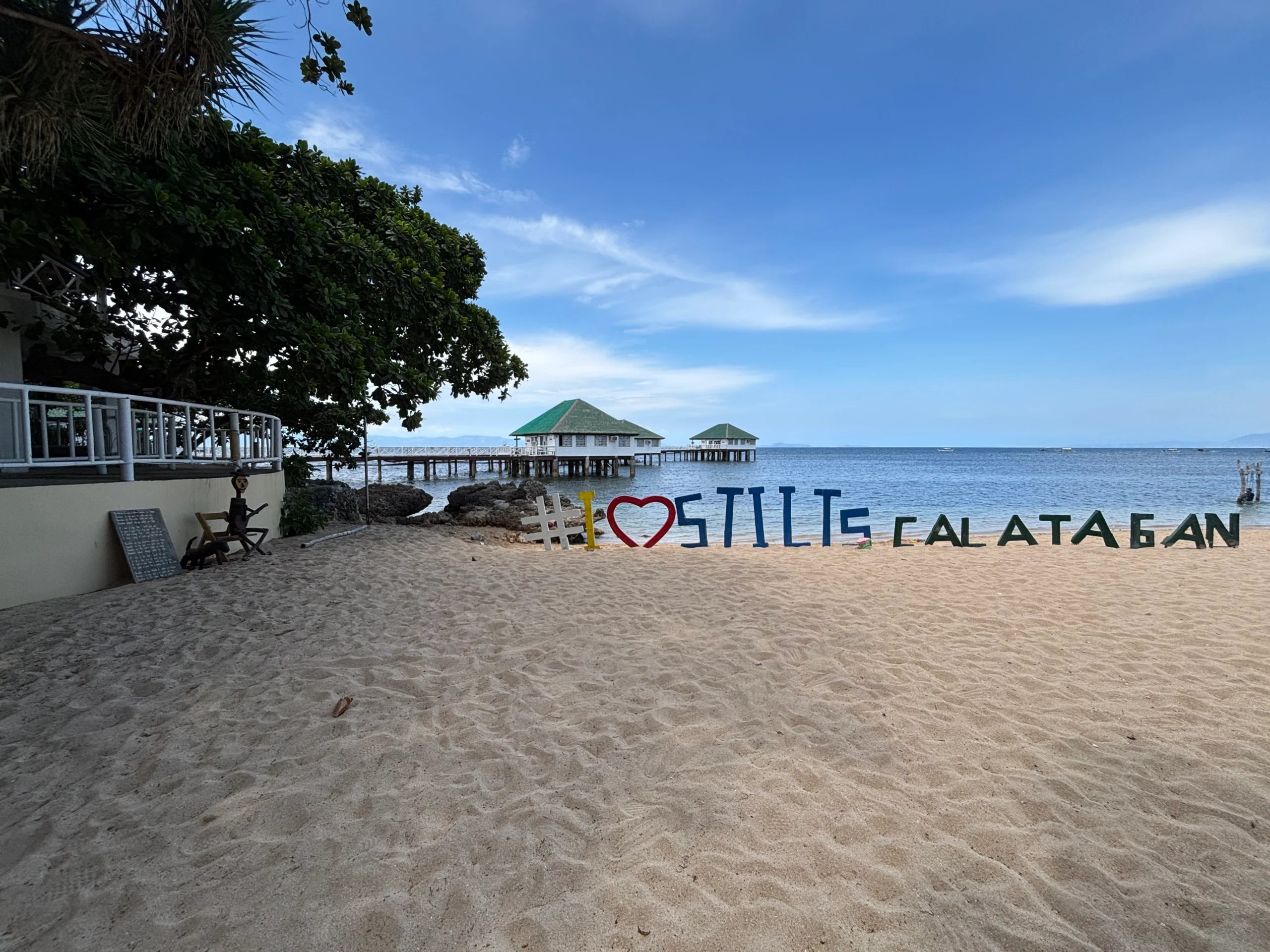
The official Stilts campsite page lists a camping fee of ₱1,100 per person in off-peak months and ₱1,200 in peak periods. Its off-peak months are January–February and July–November; peak periods include March–June, December and holidays. Tent rental is separate. Bringing your own tent still requires the applicable camping fee.
For four guests bringing their own tent, that fee component totals ₱4,400 off-peak or ₱4,800 in a peak period. This calculation excludes transport, food and other charges. It is not an all-in weekend quotation, and it does not establish equipment capacity or the booking’s checkout schedule.
Build the budget by component
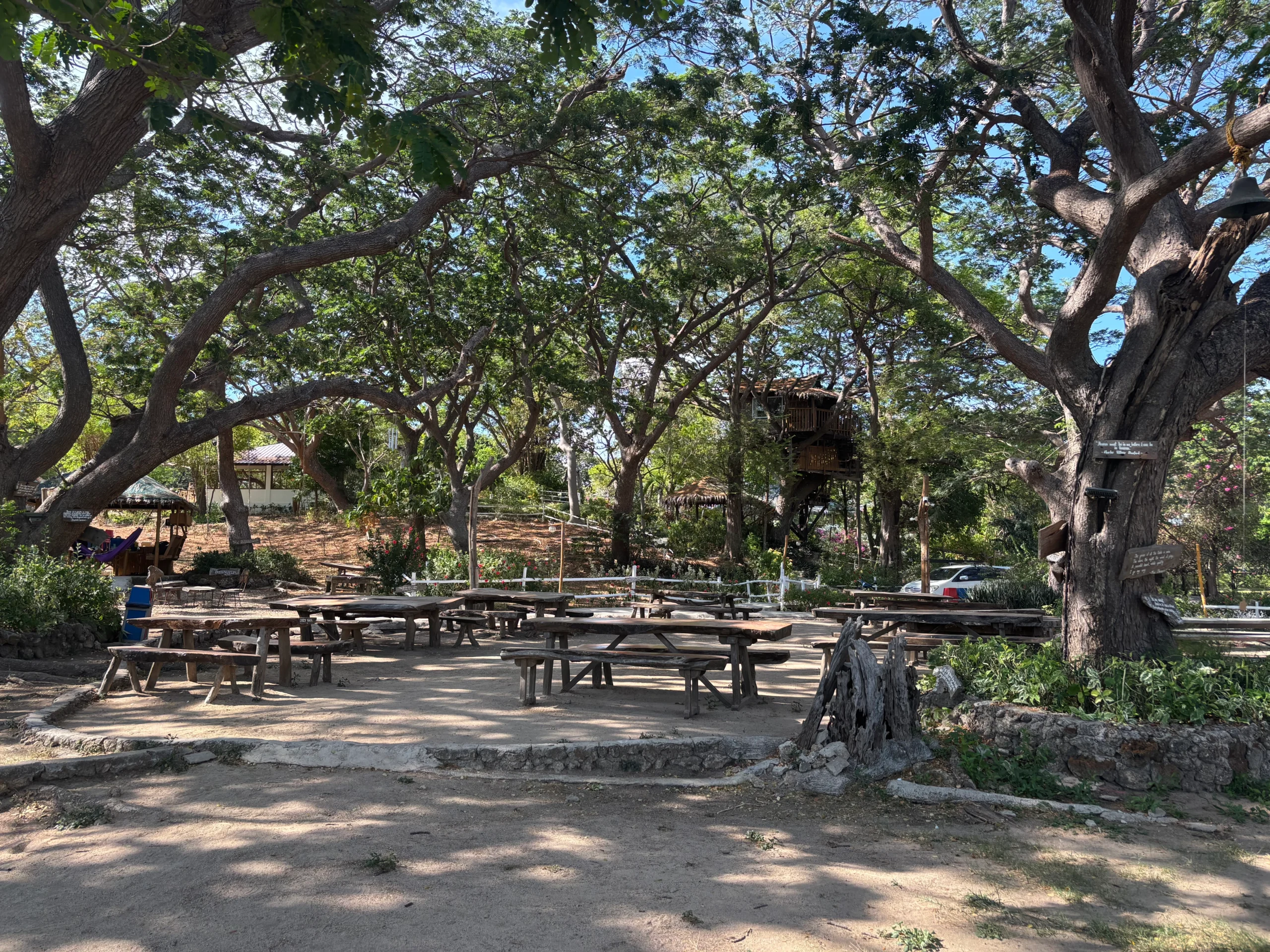
Separate admission, accommodation and equipment before dividing a total among guests. One low entrance fee can look like a room rate when copied without its label. A day-tour example is useful for understanding a cost component, but it should never be presented as the price of a two-day stay.
For example, Joe A Jen Resort’s official website lists day admission at ₱180 per person, with a day-tour open hut at ₱750. Four paying guests plus one such hut total ₱1,470, or ₱367.50 each. Its published day window is 8:00 AM–5:00 PM. This is a day-visit calculation; it does not buy overnight accommodation or the following day’s entry.
| Component | Write down | Common omission |
|---|---|---|
| Transport | Return travel plus local transfers | The journey back from the property to onward transport |
| Overnight base | Exact room, campsite or group package and guest count | Extra guests, separate admission or equipment |
| Meals | Arrival lunch, dinner, breakfast and departure lunch | Drinks, cooking supplies and meals outside the property |
| Main activity | Group or per-person basis and stated inclusions | Transfers, equipment and time needed after the activity |
| Buffer | An agreed shared allowance | A changed return plan or an additional meal |
Divide shared charges by the people actually paying. Keep per-person admission separate where children have a different published rule. Record deposits as part of the same total, rather than adding them again when the balance is paid. For a fuller worksheet, see how much a Calatagan trip costs.
Rainy-weather version and a short packing check
If the water activity cannot go ahead, keep the overnight base as the center of the plan: a slower meal, rest and a permitted land activity can replace the boat slot. Do not move a canceled sea trip to another departure simply to preserve the original checklist. Our bad-weather, cancellation and rebooking guide explains the booking questions to settle before the trip.
For this itinerary, prioritize a dry bag for belongings, separate wet and clean clothes, charging equipment, drinking water and accessible reservation details. Camping groups also need their agreed equipment list and a plan for packing damp gear. Use the Calatagan beach packing guide for the longer checklist.
Frequently asked questions
Can we fit the beach, camping and island hopping into two days?
Possibly, but combining them only works when the campsite exit, boat return and transport home leave enough time. Begin with one base and one main activity. Add another experience only after checking the complete schedule, including transfers and packing.
Should we put the boat trip before checkout?
Only when the confirmed return leaves a comfortable margin for washing, collecting belongings and leaving. An 8:00 AM camping checkout creates a different constraint from a noon room checkout. Otherwise, reorganize the boat slot or choose the beach-based plan.
Is camping always the cheapest option?
No. Compare camping fees, tent or equipment rental, transport and meals against a room or group package for the same guest count. The published Stilts example above shows why the per-person camping charge must be counted even when you bring your own tent.
Do the price examples cover the whole weekend?
No. Each is labeled as a specific component. The day-tour example covers four day admissions and one hut; the camping example covers four camping fees. Neither includes a complete two-day transport, meal and activity budget.
More help planning your Calatagan weekend
Compare family resort considerations before choosing the base.
Compare beach camping options beyond the nightly headline price.
Use the pet and accessibility planning guide to assess the actual accommodation category.
Source checks: official property schedules and published fee components linked above were reviewed on 27 November 2026. The itinerary sequence and group calculations are VisitCalatagan.com’s planning examples. They do not represent a package sold by the named properties. Weather warnings and travel arrangements must be checked for your actual travel dates.